

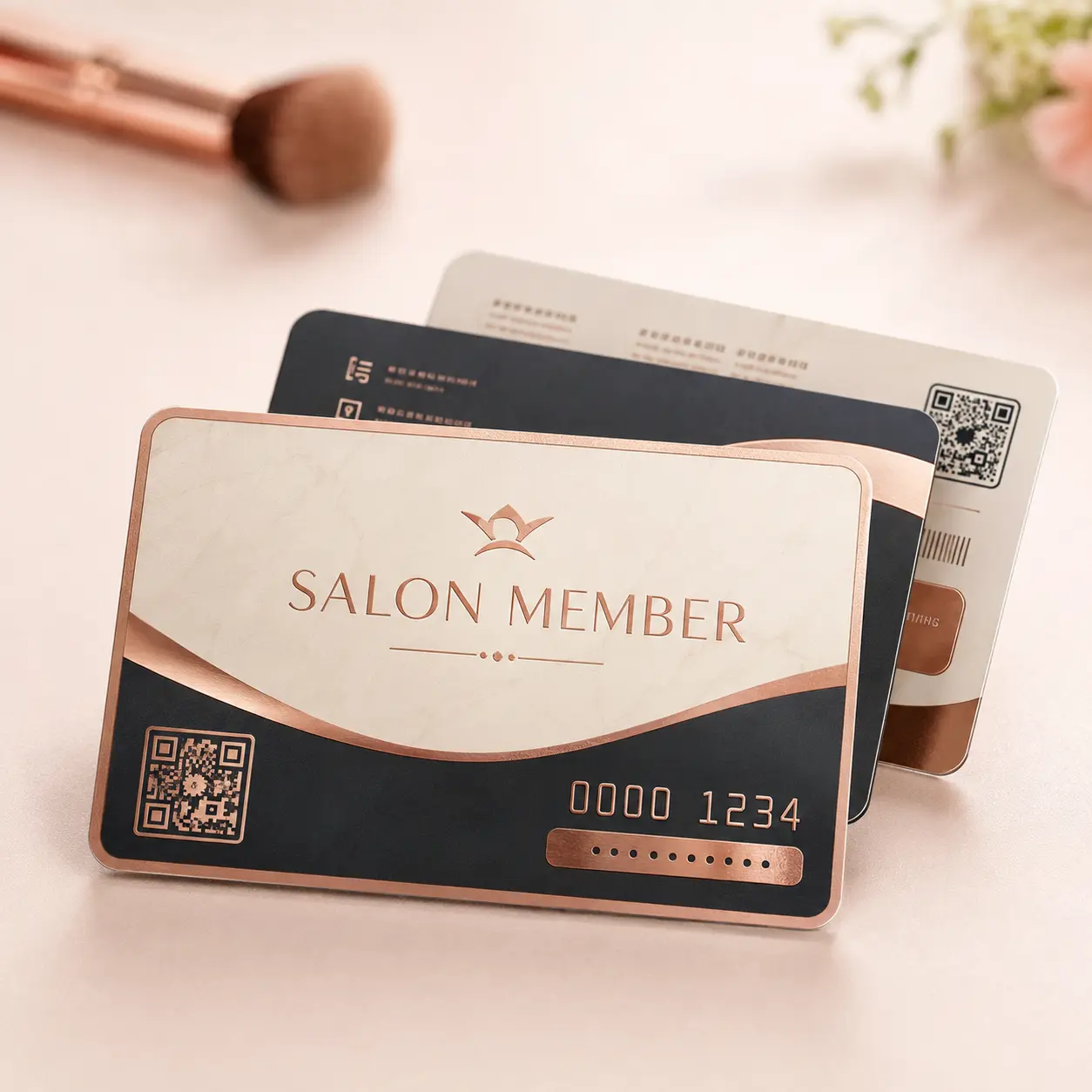
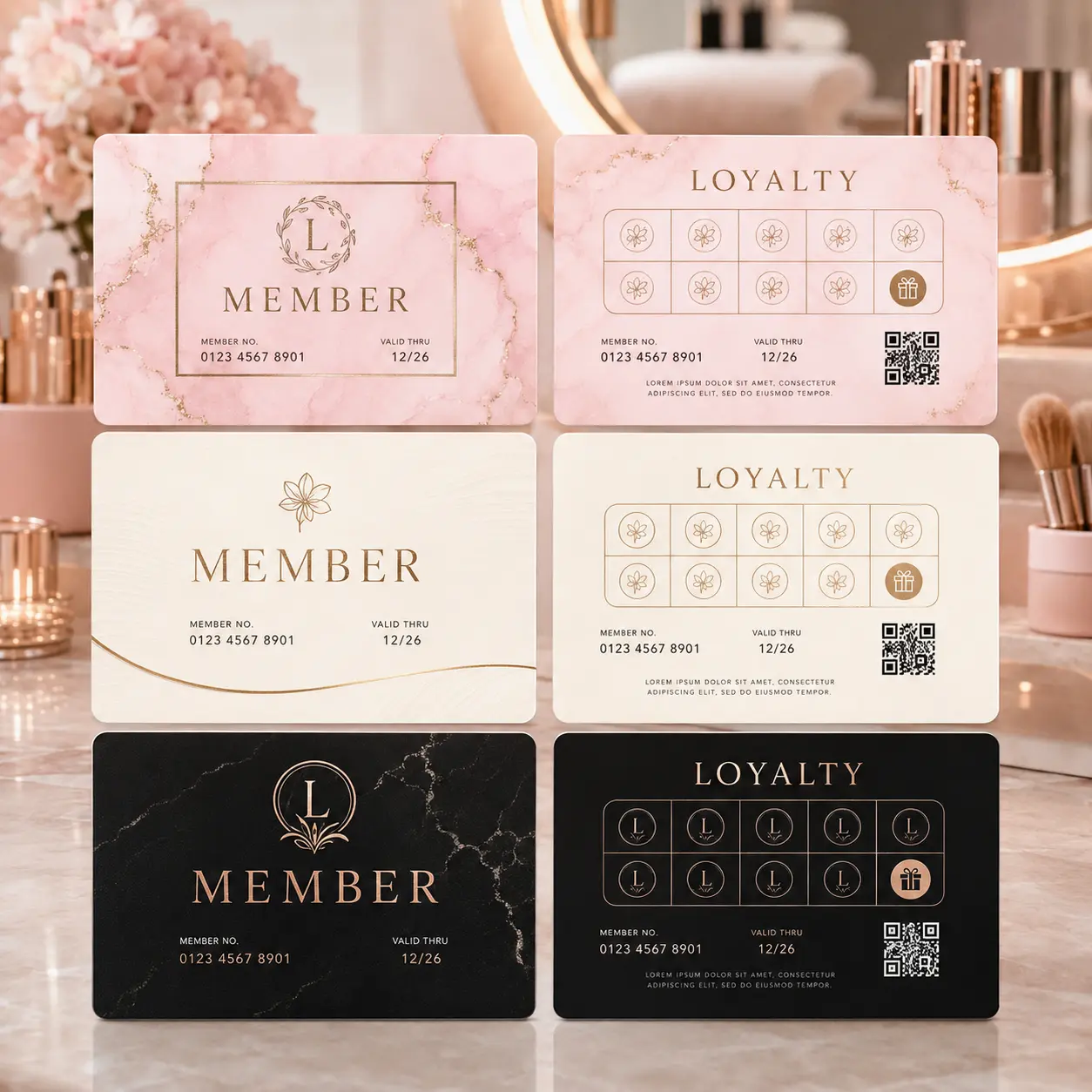
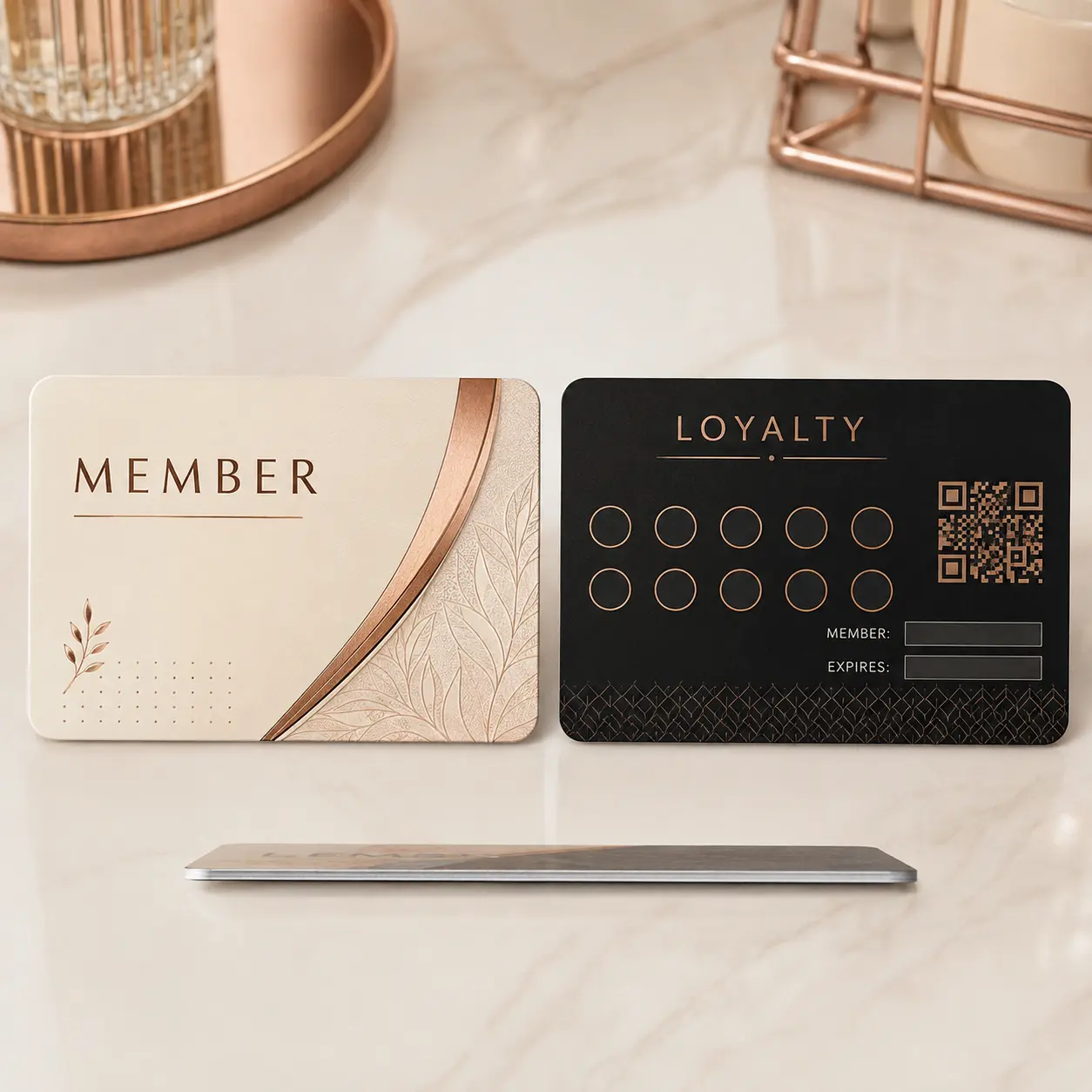
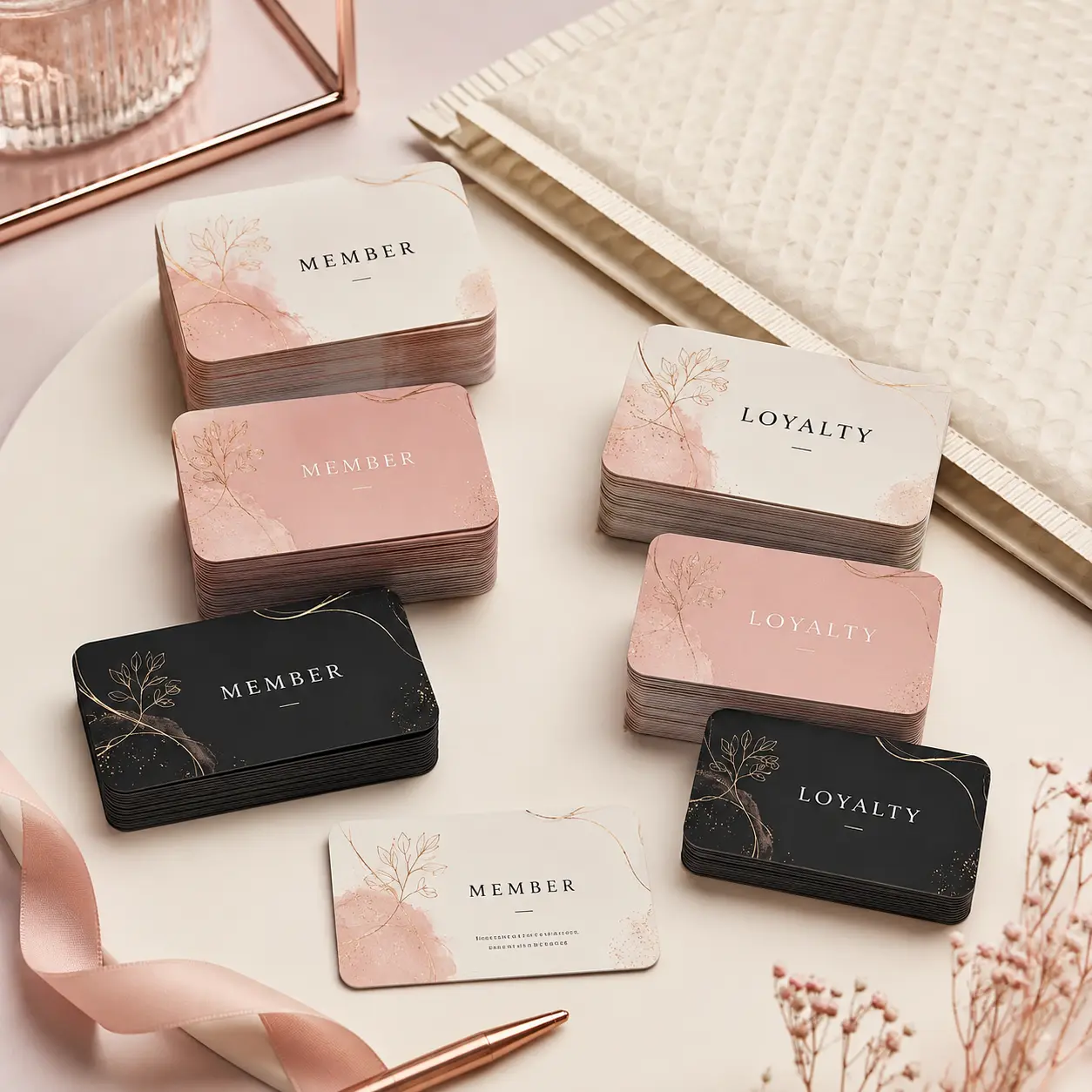
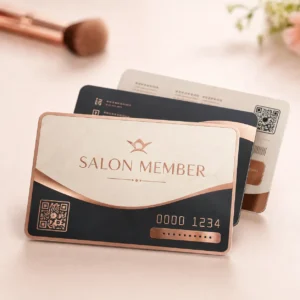
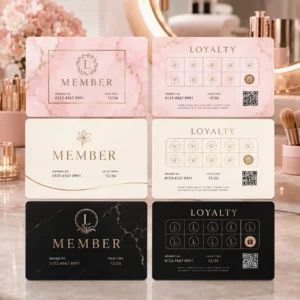
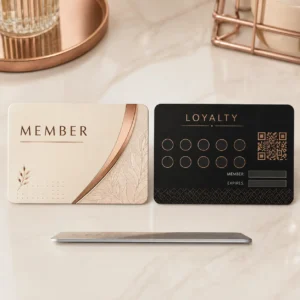
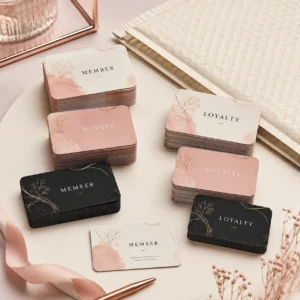
Custom PVC Salon Membership & Loyalty Cards – Packs of 25, 50 & 100
Price range: ₹1,250 through ₹5,000
Order salon membership and loyalty PVC cards online in the pack size shown, with options starting at ₹1,250.
Professional customer cards with approved branding, member details and optional QR content.
For Custom PVC Salon Membership & Loyalty Cards – Packs of 25, 50 & 100, upload approved logo, artwork and member fields for the selected pack; then select the quantity and review the checkout total.
Salon Membership Card Printing – Order Guide
Salon Membership Card Printing is available through this product page for customers who already have an authorised source file or approved artwork. Professional customer cards with approved branding, member details and optional QR content. The product starts at ₹1,250 or the current variation price shown above, and the exact quantity, delivery charge and checkout total remain visible before payment.
Use this page specifically for salon membership card printing rather than a generic upload form. A focused product page keeps the file instructions, keyword intent and order details connected to the correct card. The printer reproduces the visible information in the supplied source; it does not invent missing text, alter official data or guarantee acceptance where an organisation requires an original or live digital record.
What this PVC card order includes
- Professional customer cards with approved branding, member details and optional QR content.
- Wallet-size PVC printing prepared from the source file or artwork you submit.
- Front-and-back handling when both sides are required by the selected product.
- Online file upload, quantity selection and an order summary before checkout.
- A print-quality review based on the clarity and completeness of the supplied file.
Prepare the file for salon membership card printing
Approved logo, artwork and member fields for the selected pack. An original PDF or print-ready design normally preserves small details better than a screenshot. Keep the file straight, complete and free from glare. Do not crop off a photograph, number, QR code, barcode, logo or reverse-side information that must appear on the finished card.
Use print-ready artwork whenever possible. Logos, portraits, names, member numbers, barcodes and QR codes should be sharp and placed inside a safe margin. For a multi-card pack, prepare a clearly labelled data list so each design is paired with the correct person or member.
How to order salon membership card printing
- Confirm that this product matches the document or artwork you want printed.
- Select one card or the available pack and variation required for the order.
- Upload the clearest authorised PDF, complete images or approved design.
- Check names, numbers, photographs, front-and-back pairing and quantity.
- Enter the delivery address and review the product price, shipping and final total.
- Complete checkout and keep the order details for support or tracking.
Print-quality checklist
The final salon membership card printing can only be as clear as its source. Use high-resolution files, avoid repeated chat compression and zoom in before upload to confirm that small text is readable. When several files are supplied, label them clearly. Print colours can look slightly different from a phone or monitor because screens emit light while physical cards reflect it.
Do not send unnecessary personal documents. Upload only the pages or sides requested by the product form, use the store through a private device and review the privacy policy before submitting sensitive information. Contact support before ordering if the available file is incomplete or the required quantity is unclear.
Independent printing and authorised use
The customer must have permission to use every logo, photograph, name and identifier submitted. This service does not create government credentials, employment authority or access rights; it prints approved organisation or personal artwork only.
A private PVC convenience print may not replace the original document, official smart card, live application, OTP, QR verification or digital wallet record required by another organisation. The customer is responsible for the accuracy of the submitted information and for having permission to print it.
Frequently asked questions
Can every card in a pack contain different details?
Use the available variation and upload instructions on the product page. When variable data is supported, label each portrait and record clearly so it can be matched to the correct card.
What price will I pay?
The current product or variation price is displayed above. Delivery charges depend on the checkout address and order configuration, so the final checkout total is the amount to review rather than an older search-result price.
Which file format gives the clearest print?
An original authorised PDF or print-ready artwork is usually preferred. Clear, uncropped, high-resolution front-and-back images can also work when all required details remain visible. Avoid blurred photos, shadows, glare and repeatedly forwarded screenshots.
Can I order more than one card?
Use the quantity selector or pack variation shown on this product. Make sure the number of source files and the selected quantity match, especially when different names, portraits or records are required.
Related PVC card resources
Read the complete PVC card printing guide, browse all PVC card products, review the ordering FAQ or contact support before checkout. These internal resources explain file preparation, ordering and the difference between independent printing and official document services.
To order salon membership card printing, prepare the clearest authorised source, select the correct quantity and review every visible detail before payment. This product page is the dedicated place for salon membership and loyalty PVC cards and keeps the upload instructions connected to the intended card.
| Pack Quantity | 25 Cards, 50 Cards, 100 Cards |
|---|
Only logged in customers who have purchased this product may leave a review.
🔒 100% Privacy & Data Security Guarantee
We take your privacy very seriously. The documents you upload are used strictly for printing your PVC card. All files and personal data are permanently deleted from our servers within 48 hours of your order being successfully delivered.
📄 File Upload Guidelines
To ensure the highest quality print and a working QR code, please follow these rules:
- Best Quality: Upload the original downloaded e-Aadhar PDF (Please provide the password in the order notes if it is locked).
- Images: If uploading a photo (JPG/PNG), ensure it is high-resolution, well-lit, and the text/QR code is completely clear.
- Do not upload blurry photos, screenshots, or photos of a paper card taken from an angle. We will print exactly what you upload.
🚚 Shipping & Delivery
- Processing Time: All orders are printed and dispatched within 24 to 48 hours.
- Delivery Time: Standard delivery takes 3 to 7 working days depending on your location in India.
- Tracking: You will receive a tracking link via email/WhatsApp as soon as your PVC card is dispatched.
Legal Disclaimer: pvcadharcard.in is a private printing service. We only print the digital files provided by the customer onto a premium PVC card for durability. We do not generate, modify, or issue Aadhar cards or any government documents. The customer is solely responsible for the authenticity of the uploaded document.
Related products

Reviews
There are no reviews yet.